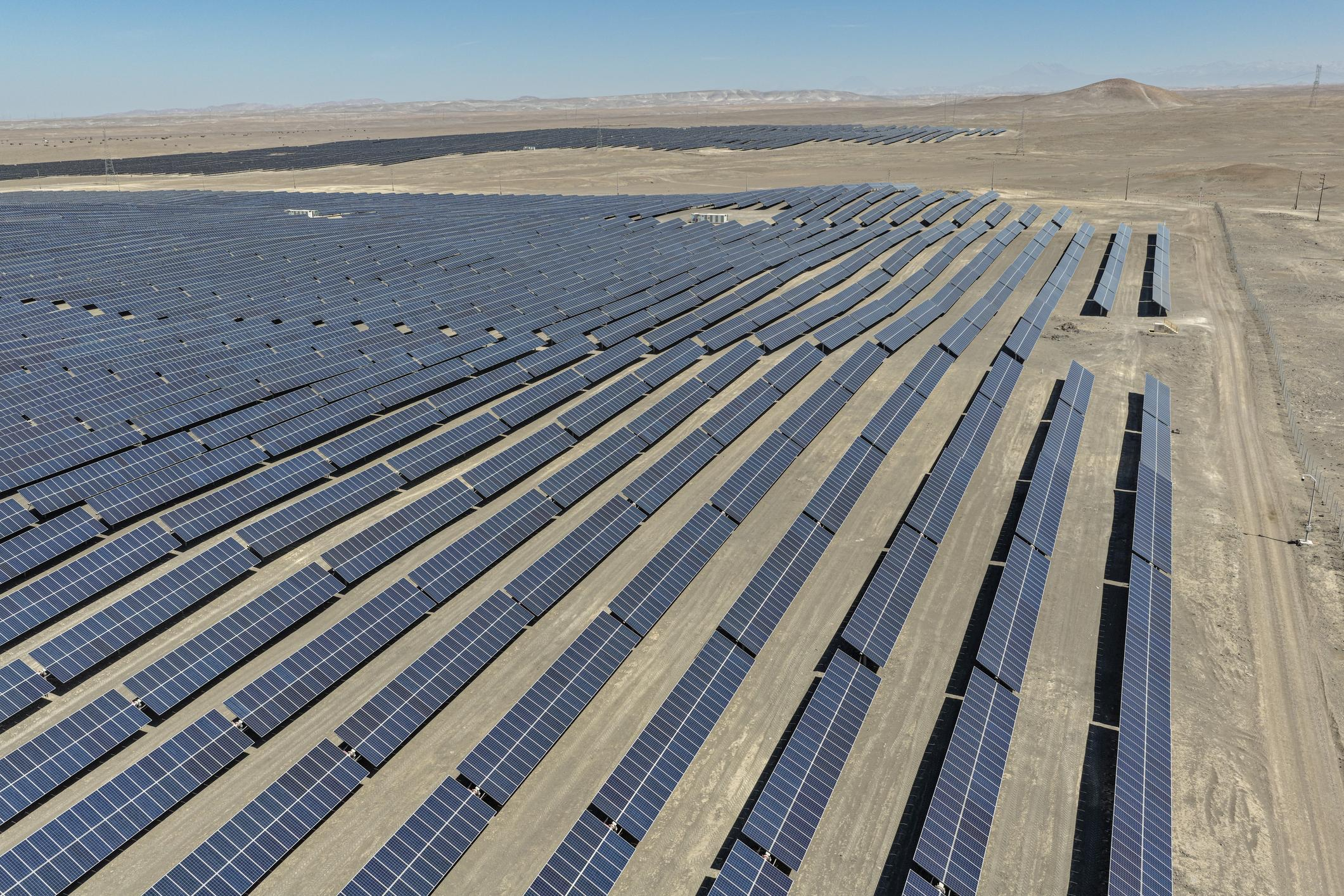
Agricultural Solar Resources
Comprehensive information on tax incentives, warranties, and the strategic advantages of agrivoltaics for your operation.
What is AgriSolar?
Agrivoltaics (or AgriSolar) is the simultaneous use of areas of land for both solar photovoltaic power generation and agriculture. It represents a strategic co-location of energy and food production, allowing farmers to maximize the value and output of their land.
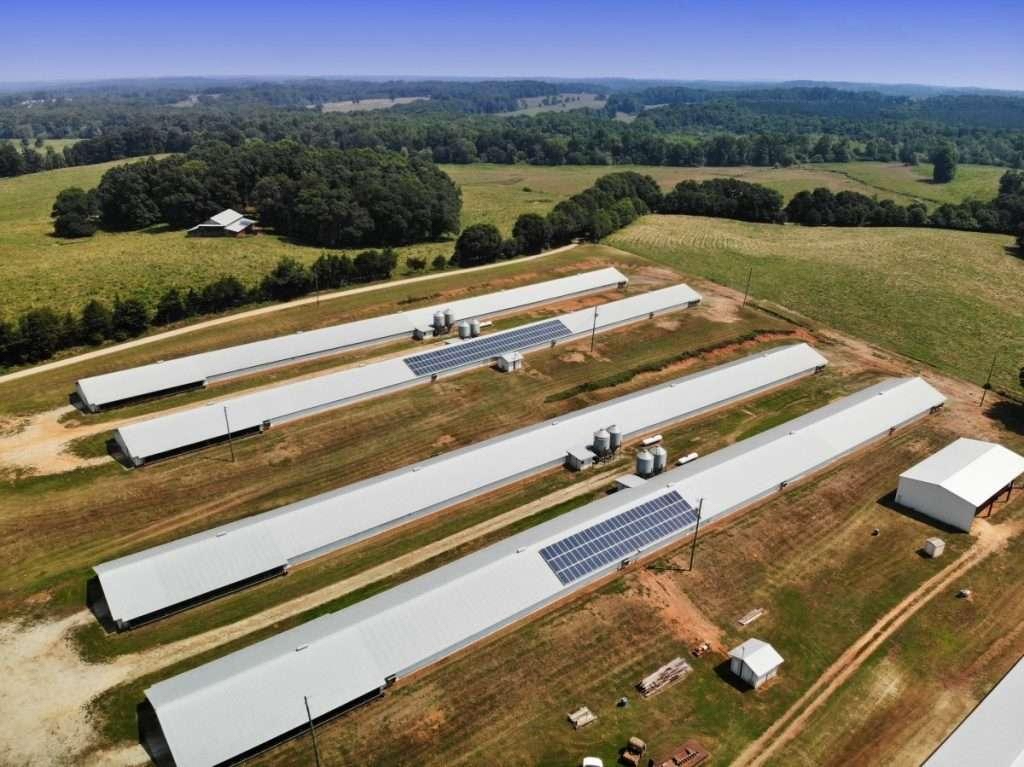
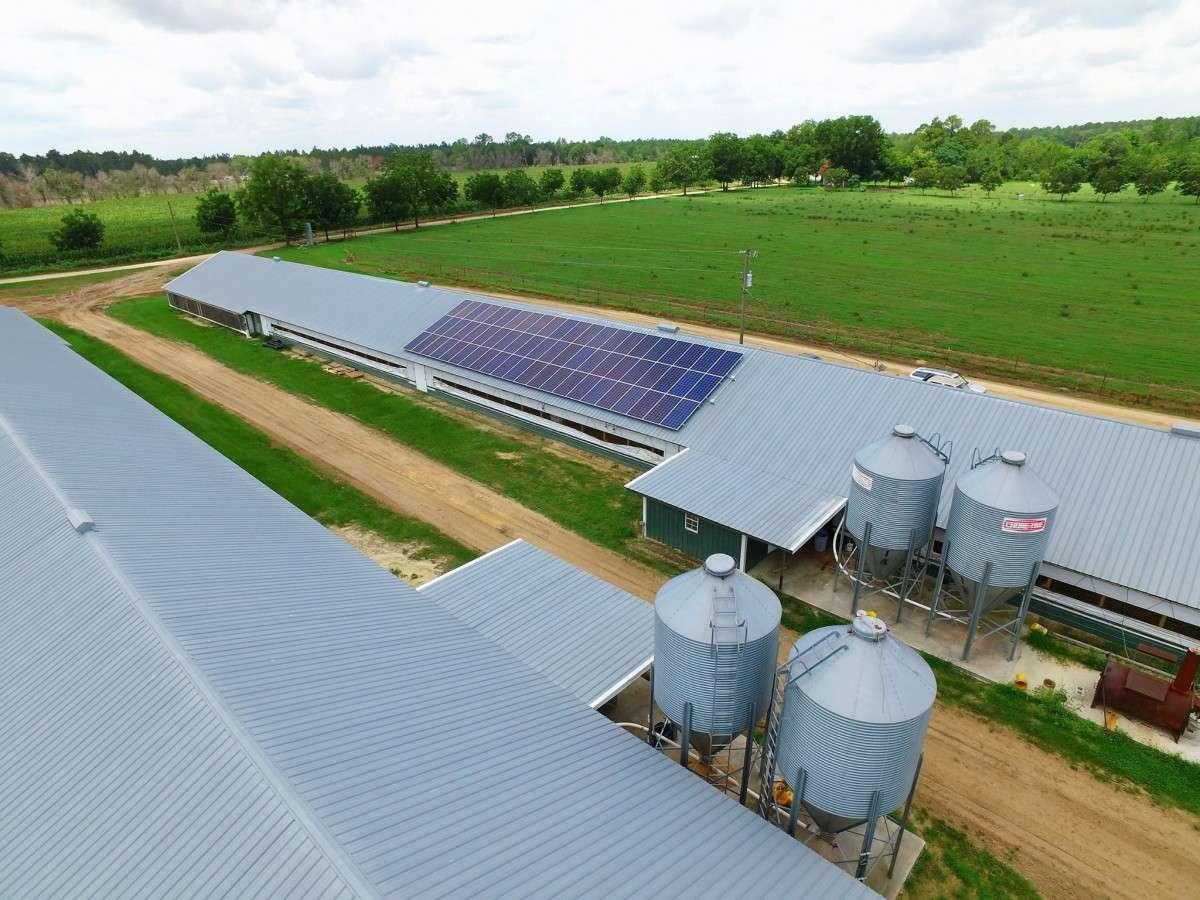
By integrating solar infrastructure directly into existing agricultural operations—whether on poultry house roofs or as ground mounts over grazing areas—producers can generate renewable energy without sacrificing productive agricultural space.
American Agrisolar Advisors LLC
American Agrisolar Advisors LLC is a specialized advisory firm focused on integrating advanced solar energy solutions into agricultural operations nationwide.
We help farmers, poultry producers, ranchers, and agribusiness owners convert rising utility costs into structured energy assets that improve cash flow, strengthen long-term margins, and enhance operational resilience.
Our team provides comprehensive advisory services including feasibility analysis, capital structuring, lender coordination, incentive optimization, engineering oversight, and utility interconnection strategy. We work directly with producers, financial institutions, integrators, and utility providers to ensure projects are executed efficiently and aligned with the operational realities of modern agriculture.
Agriculture operates on tight margins and long cycles. Energy is one of the few controllable expenses. We help producers restructure that expense into infrastructure they own.
From distributed rooftop systems on poultry houses to ground-mount arrays for large-scale operations, American Agrisolar Advisors delivers strategic, data-driven solutions built for durability, compliance, and long-term performance.
Protect your margins. Stabilize your energy costs. Strengthen your operation for the next generation.
Understanding Commercial Solar Tax Incentives
Why They Matter, What They Mean, and How to Know if You Qualify
For commercial property owners — especially agricultural operations like poultry farms — federal solar tax incentives can dramatically reduce the true cost of going solar. In many cases, these incentives are the difference between "Solar sounds interesting someday" and "This project actually makes financial sense right now."
The reason is simple: commercial solar incentives are designed to reward businesses for investing in domestic energy infrastructure, reducing grid strain, modernizing facilities, and supporting American manufacturing. And unlike residential solar, commercial projects can stack multiple incentives together.
The Federal Investment Tax Credit (ITC) — 30%
The most important federal incentive is the Investment Tax Credit (ITC). It allows qualifying businesses to claim a dollar-for-dollar federal tax credit equal to approximately 30% of eligible solar project costs.
Example on a $500,000 project:
- Approximately $150,000 in federal tax credits
This is a direct reduction in federal tax liability, not a deduction or depreciation.
Domestic Content Bonus — Additional 10%
If the project uses qualifying U.S.-manufactured materials, the system may qualify for the Domestic Content Bonus Credit, adding another 10 percentage points to the ITC (Total 40%).
Qualification generally depends on:
- U.S.-made steel and iron
- Required percentages of domestic manufactured components
- Proper project documentation & prevailing wage compliance
Energy Community Bonus — Additional 10%
Projects may qualify for an additional 10 percentage points if located in areas historically tied to fossil fuel production, coal communities, retired energy infrastructure, or certain higher-unemployment energy regions.
Potential Total: Up to 50% federal tax credit value before depreciation.
MACRS & Bonus Depreciation
Commercial solar projects may also qualify for MACRS accelerated depreciation and bonus depreciation treatment, allowing businesses to depreciate the solar asset much faster than traditional infrastructure.
Benefits:
- Reduce taxable income
- Improve project ROI and cash flow
- Shorten effective payback periods
How to Find Out if You Qualify
1. Project Type
Commercial systems generally qualify when installed on farms, agricultural facilities, warehouses, manufacturing buildings, office buildings, and commercial properties.
2. Tax Liability
To fully benefit directly, the business typically needs taxable income or a tax appetite large enough to absorb the credits. Alternatively, there may be strategies involving transferability or tax equity structures.
3. Location & Sourcing
Projects may qualify for Energy Community bonuses or state/utility incentives depending on location. Domestic Content qualification depends heavily on equipment sourcing and steel/iron compliance.
Tax Incentive Estimator
Estimate your potential federal tax credits and depreciation savings.
Project uses qualifying U.S.-manufactured materials
Located in a qualifying historical energy region
Used to estimate MACRS depreciation tax shield.
Estimated Incentives
* Estimates only. Consult a tax professional for actual eligibility and calculations.
The Best Way to Evaluate Eligibility
A legitimate commercial solar analysis should involve actual production modeling, financial projections, utility analysis, engineering review, and tax incentive evaluation.
Solar Protection For Life.*
Align Solar Protection is proud to offer an industry-leading Lifetime Warranty designed to protect your solar investment for as long as you own your home or property. Unlike other providers that cap coverage with short-term limits, our warranty is built for the original owner, providing long-term peace of mind and protection against unexpected service costs.
Our comprehensive lifetime coverage includes panel repairs, racking and roof penetrations, inverters, truck roll inspections, parts, and labor. There are no deductibles and no complicated claims process. All service is handled directly through your installer, making claims simple and hassle-free.
Coverage remains in effect for the lifetime of your ownership of both the solar system and the property, ensuring your investment stays protected year after year.
Extended Protection Options
- Extended Battery Warranty: Provides additional coverage out to 25 years for battery component failures and repairs after the manufacturer's warranty ends.
- Extended Solar System Warranty: Available for existing solar systems, allowing owners to add 2-7 years of coverage depending on system specifications and term selected.
Warranty FAQs
Coverage lasts as long as the original owner owns the property.
Yes, the second owner has the ability to transfer the warranty for an additional 10 year coverage.
We step in seamlessly to manage claims.
* Certain exclusions apply, including damage caused by natural disasters, unauthorized modifications, or third-party interference. Full terms available upon request. Learn more at alignsolarprotection.com.