Proven Results for American Farmers
Explore how we've helped agricultural operations across the country reduce overhead, increase profit margins, and secure long-term energy independence.
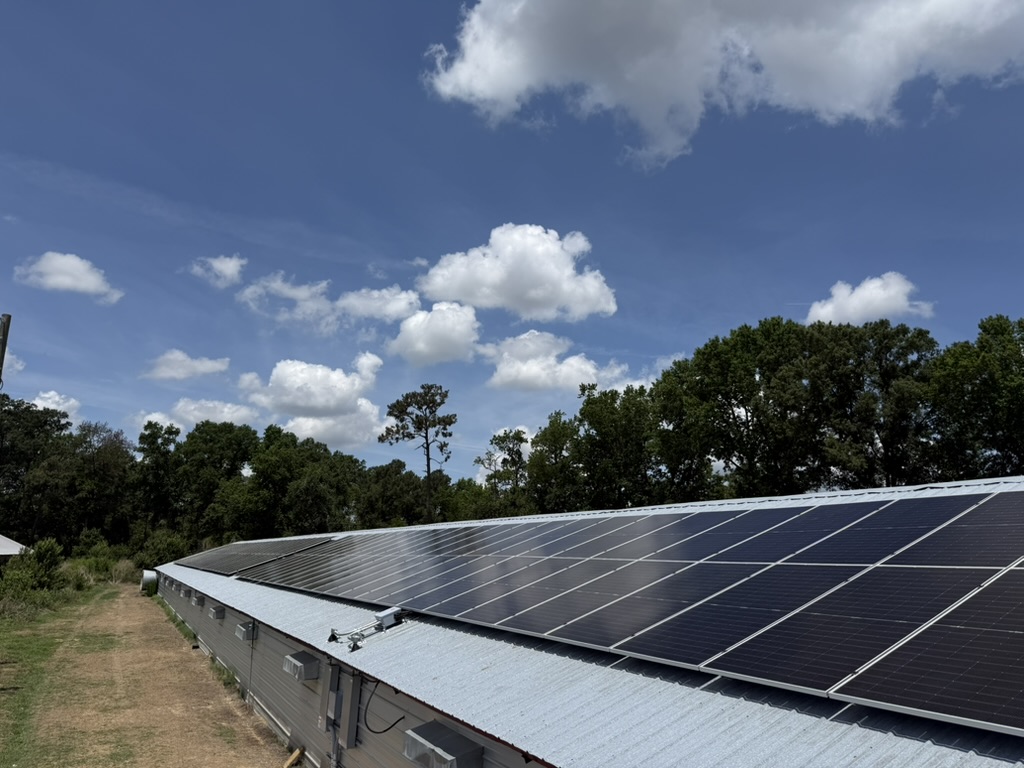
Norris Farms
Norris Farms
Powering Poultry Production with Smarter Energy Infrastructure
Key Benefits
- Lower long-term utility costs
- Improved operational predictability
- Increased energy independence
- Utilizes available federal tax incentives
Client Overview
Norris Farms is a commercial poultry farming operation in South Carolina operating high-demand agricultural facilities with substantial monthly electrical consumption tied to ventilation systems, lighting, feeding systems, cooling equipment, and environmental controls.
Like many modern poultry operations, the farm faced three major challenges:
- Rising utility costs
- Increasing operational overhead
- Limited protection against long-term energy inflation
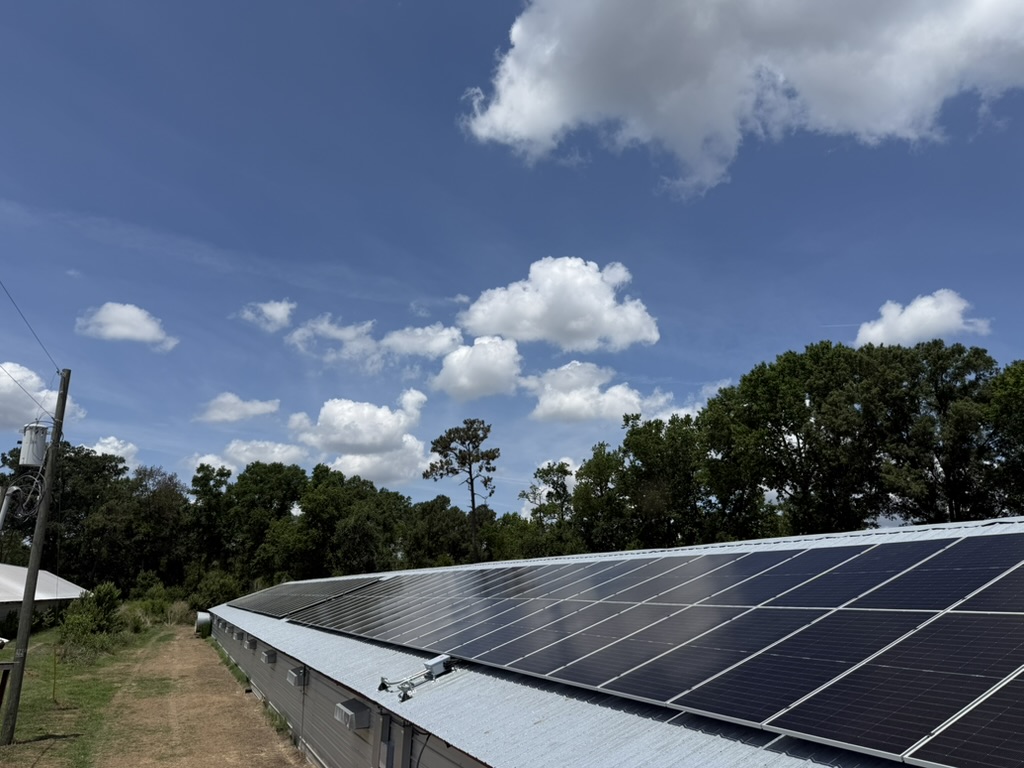
Working with 180 Degrees Solar and American AgriSolar, Norris Farms pursued a large-scale commercial solar solution designed specifically for agricultural energy use.
Project Goals
The primary objectives for the project were:
- Offset a significant portion of the farm's electrical consumption
- Reduce long-term operating expenses
- Improve cash flow predictability
- Utilize available federal solar tax incentives
- Maintain uninterrupted poultry production during installation
- Build long-term asset value into the property
The Challenge
Commercial poultry farms operate on tight margins while consuming massive amounts of electricity year-round. Ventilation, cooling systems, automated feeding systems, brooders, and environmental controls cannot simply be turned off when utility rates rise.
Norris Farms needed a way to:
- Stabilize energy expenses
- Protect against future utility increases
- Reduce dependence on the utility company
- Improve operational efficiency without disrupting production
Traditional financing options often create friction for agricultural operators, especially when balancing seasonal cash flow, equipment investments, and existing operational debt.
The solution needed to be practical, scalable, and structured around the realities of farm operations — not corporate office assumptions. Because nothing says "fun" quite like trying to explain demand charges to someone while standing in a chicken house in 95-degree South Carolina humidity.
The Solution
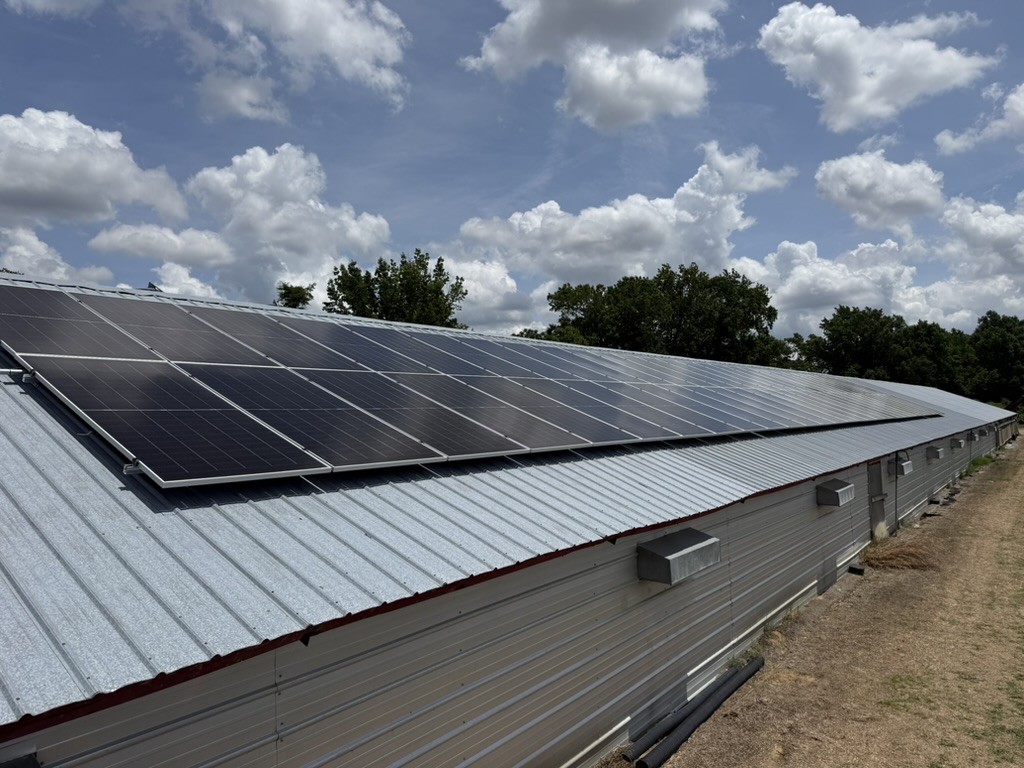
180 Degrees Solar designed a customized commercial solar energy system optimized for agricultural load profiles and poultry facility infrastructure.
System Design Highlights
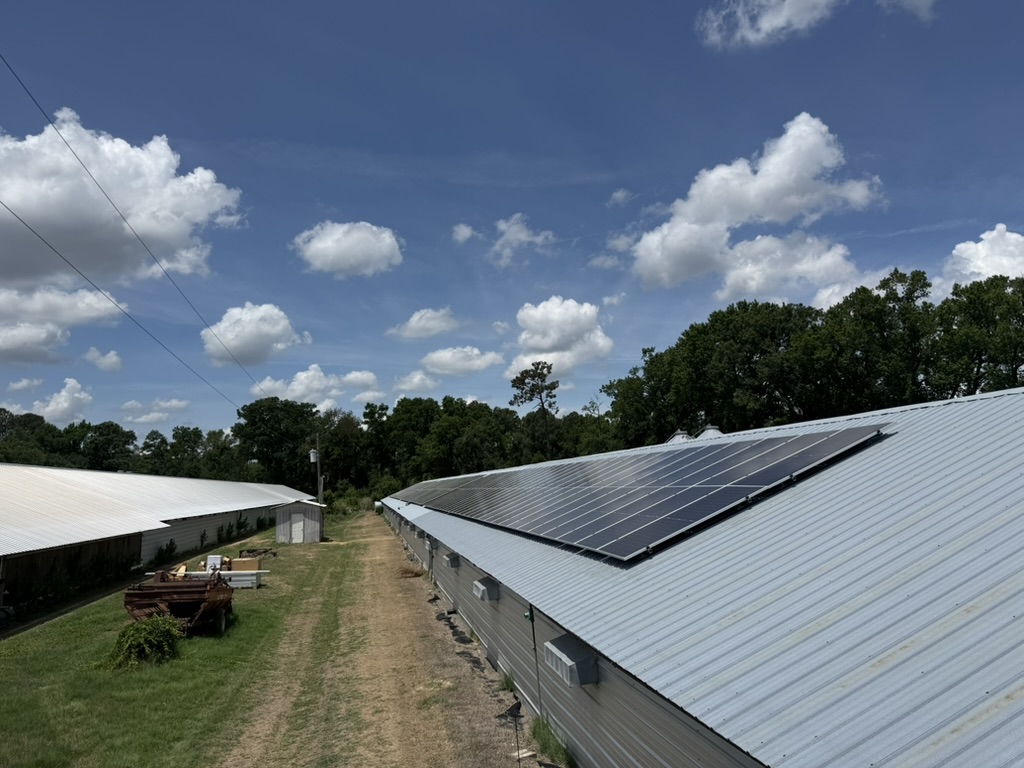
- 100.3 kW commercial rooftop solar system
- Standing seam roof mounting system
- APsystems microinverter architecture for module-level optimization
- Commercial-grade monitoring and production tracking
- Engineered for agricultural operating environments
- Utility interconnection and permitting management included
The system was designed to maximize production while maintaining operational continuity for the farm.
Why APsystems Microinverters?
The project utilized APsystems microinverters to provide:
- Module-level performance optimization
- Improved redundancy and uptime
- Enhanced monitoring capabilities
- Better shade and mismatch tolerance
- Simplified future expansion potential
For agricultural operations where uptime matters, distributed inverter architecture can significantly reduce the risk of large-scale production loss from a single point of failure.
Financial Strategy
One of the most important components of the Norris Farms project was the financing structure.
Instead of forcing the customer into a rigid traditional lending model, the project utilized a customized owner-financed structure designed around agricultural cash flow realities.
Financing Objectives
- Lower barrier to entry
- Preserve working capital
- Align payments with operational cash flow
- Allow flexibility after tax incentive monetization
- Improve long-term ROI
The structure also contemplated future reamortization opportunities following tax credit monetization and depreciation benefits.
Incentives & Tax Advantages
Commercial agricultural solar projects may qualify for substantial federal incentives, including:
- Federal Investment Tax Credit (ITC)
- Accelerated depreciation opportunities
- Potential bonus depreciation
- Potential transferable tax credit strategies under applicable federal law
These incentives can materially improve project economics when properly structured with qualified tax and legal professionals.
Important: Incentive eligibility and tax treatment vary by taxpayer and should always be reviewed with a CPA or tax attorney.
Engineering & Compliance
The Norris Farms project included:
- Site survey and engineering review
- Electrical design and single-line diagrams
- AHJ permitting coordination
- Utility interconnection support
- Structural compatibility considerations
- Commercial compliance documentation
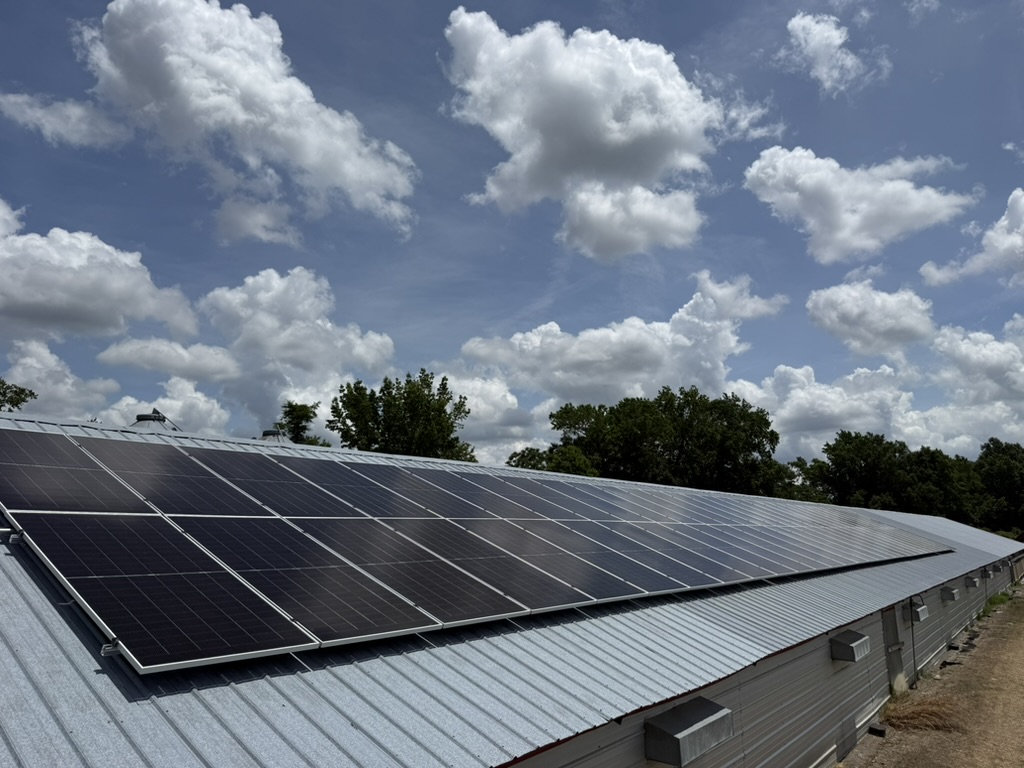
The system was engineered specifically for the facility's standing seam metal roof configuration and agricultural operational environment.
Expected Operational Impact
Key Benefits to Norris Farms
- Reduced long-term utility exposure
- Improved operational predictability
- Increased property value potential
- Enhanced energy independence
- Long-term infrastructure investment
- Reduced exposure to utility inflation
For agricultural operators, energy is not just another bill — it is a core operational input. Reducing volatility in that input can materially improve long-term business stability.
The Bigger Picture
Projects like Norris Farms represent a growing trend in American agriculture:
Farm operators are increasingly treating energy infrastructure as a strategic business asset instead of a permanent monthly liability.
Commercial solar is no longer viewed solely as an environmental initiative. For many agricultural operators, it is fundamentally a cash flow, infrastructure, and operational resilience decision.
About American AgriSolar
American AgriSolar specializes in commercial solar development for agricultural operations, including poultry farms, agricultural processing facilities, and rural commercial properties.
The company focuses on:
- Agricultural energy reduction strategies
- Commercial solar engineering
- Owner-financed project structures
- Energy infrastructure modernization
- Tax incentive integration
- Long-term operational savings